
Businesses spend heavily on SEO (Search Engine Optimization) to get their websites on the first page of Google. While SEO drives visibility and traffic, it’s only half the battle. The real question is:
Does that traffic convert into paying customers?
That’s where CRO (Conversion Rate Optimization) comes in. In this blog, we’ll break down the difference between SEO and CRO, why you need both, and how to blend them into a strategy that drives revenue — not just clicks.
SEO vs. CRO: The Core Difference
What is SEO?
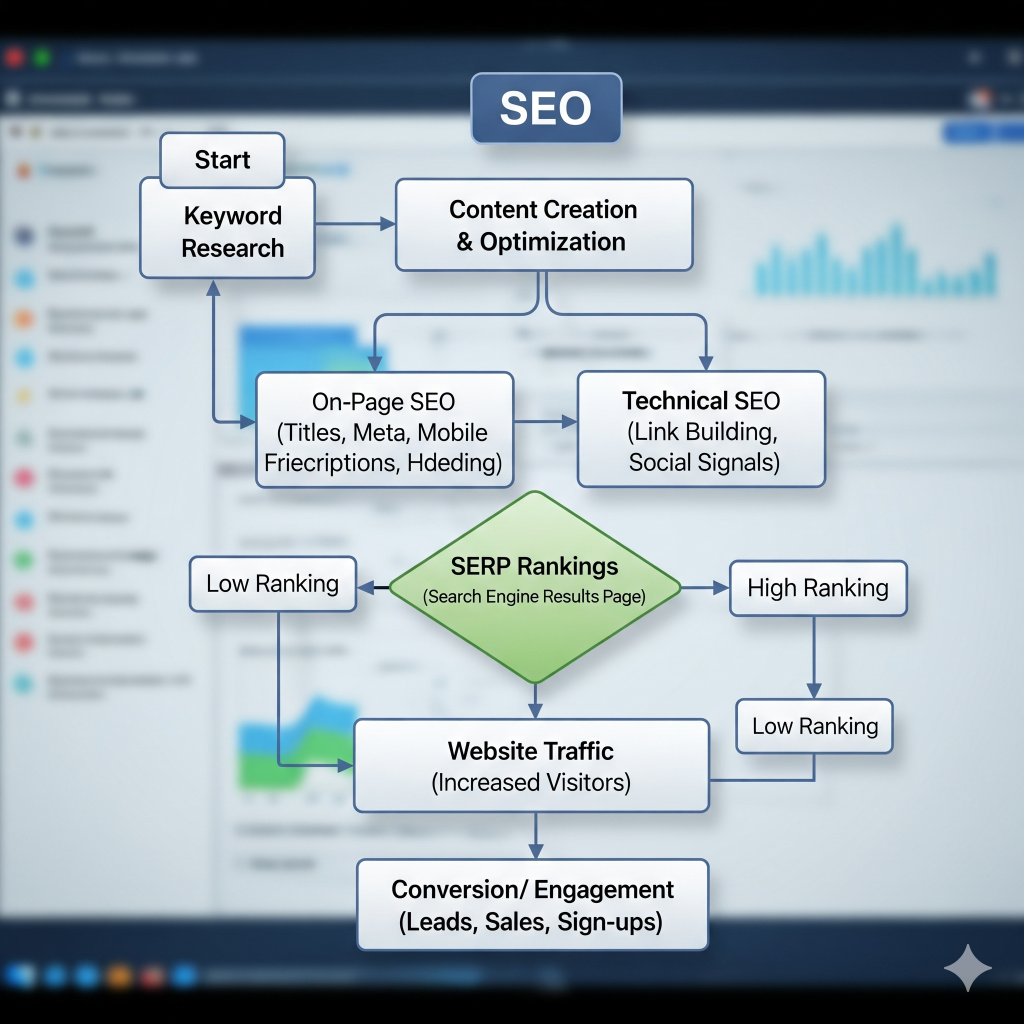
SEO is about attracting visitors from search engines by ranking higher for targeted keywords. It focuses on:
- Keyword research
- On-page optimization
- Technical improvements
- Link building
SEO = Traffic Acquisition
(If you’re new to this, here’s a guide on How Do I SEO My Website?)
What is CRO?
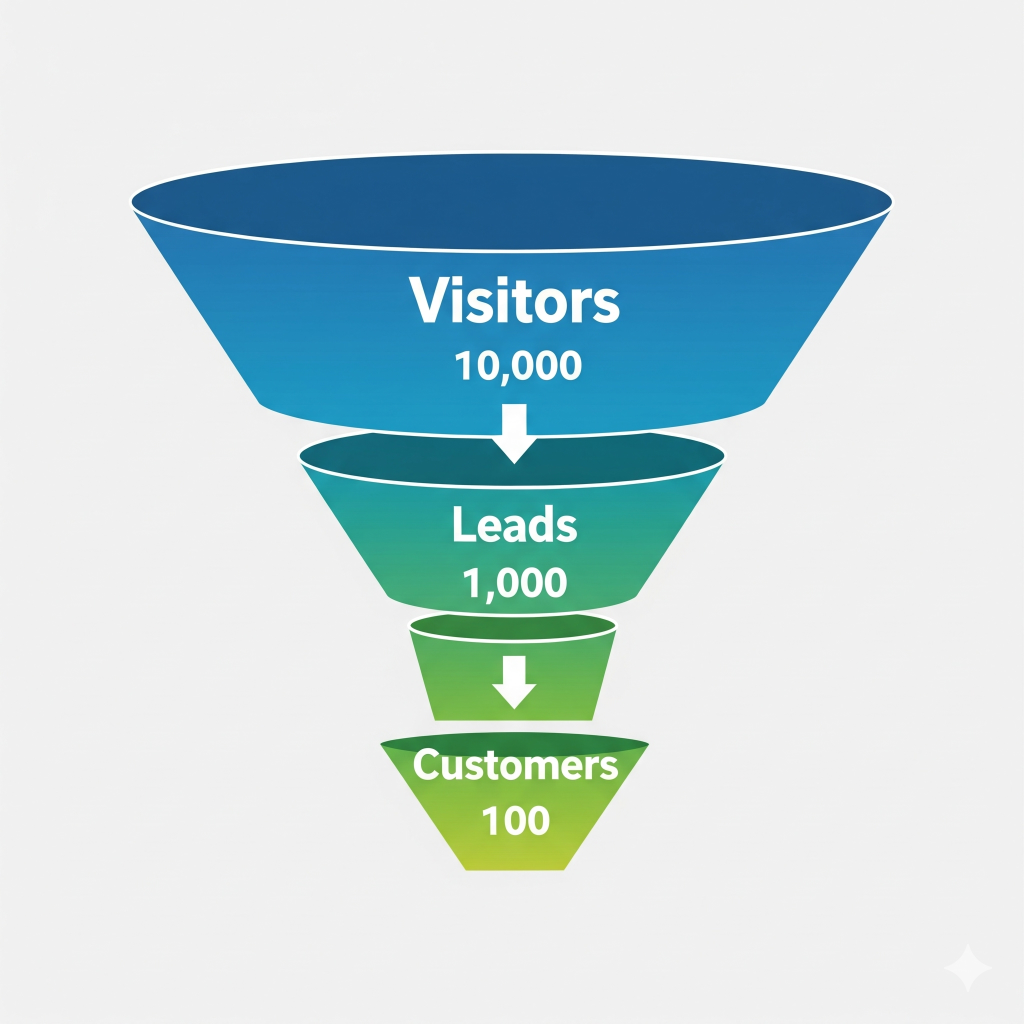
CRO is about turning visitors into customers by improving the website experience. It focuses on:
- Clear calls-to-action (CTAs)
- Easy navigation
- Engaging content
- Trust signals (reviews, testimonials)
- Value-driven offers
CRO = Traffic Conversion
Why SEO Without CRO Fails
Ranking #1 for a keyword like “teeth whitening treatment” may bring thousands of visitors. But if your site:
- Doesn’t show treatment types & packages
- Hides pricing information
- Lacks before-and-after photos
- Misses CTAs like “Book Now” or “Claim Discount”
…then those visitors will bounce without converting.
SEO brings them in, CRO convinces them to stay and take action.
Also read: Why Is SEO So Expensive?
How to Combine SEO & CRO for Maximum Results
1. Optimize for Search Intent
Not all traffic is equal. If someone searches “best teeth whitening options”, they want:
- Types of treatments
- Cost comparison
- Benefits & risks
Add content clusters (types, pricing, FAQs) to match their intent.
(Here’s a related blog: Which Keyword Is Best for SEO?)
2. Create Conversion-Focused Landing Pages
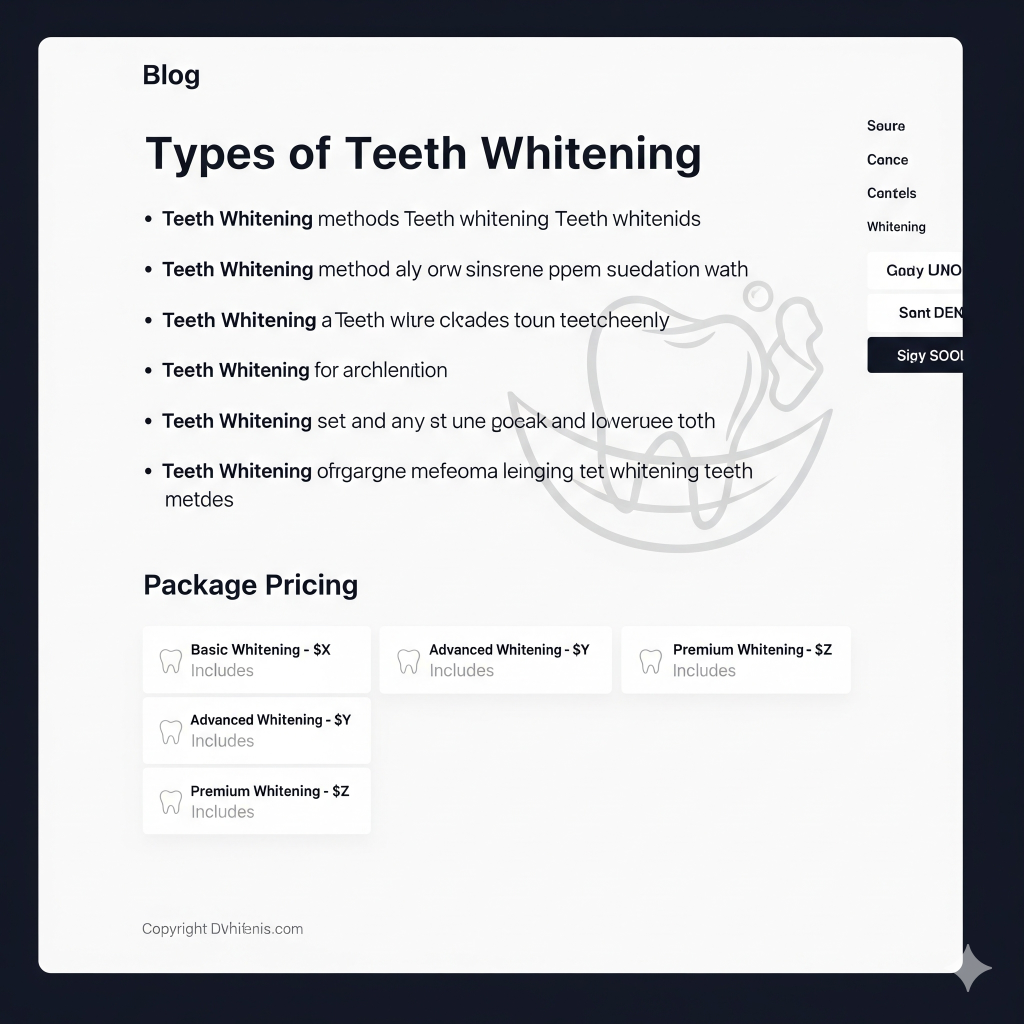
Instead of just informative content, add:
- Clear service details
- Pricing tables/packages
- CTAs like “Book Your Free Consultation”
- Special offers (discounts, free add-ons)
Check out: How Much Does Freelance SEO Charge?
3. Add Trust Signals
SEO gets people to your page. CRO keeps them there with trust. Include:
- Reviews & testimonials
- Certifications
- Before-and-after case studies
- Industry awards
(Learn more: Types of SEO)
4. Use Value-Added Offers
Offers convert traffic into leads. Examples:
- Free consultation with booking
- Discounts for first-time customers
- Bundle deals (e.g., teeth whitening + free dental checkup)
Related read: Affordable Cheap Web Hosting in India – because affordability is often part of conversion psychology.
5. Track & Test Regularly
- Use SEO metrics (traffic, ranking, impressions)
- Use CRO metrics (conversion rate, bounce rate, CTA clicks)
- A/B test different CTAs, offers, and layouts
(Here’s a detailed post: How Do I Test SEO?)
SEO + CRO = Business Growth
Think of SEO and CRO as two sides of the same coin:
- SEO without CRO = Traffic but no sales
- CRO without SEO = Great site, but no visitors
- SEO + CRO = Targeted traffic that converts into customers
Related read: Can SEO Alone Generate Leads?
Chasing traffic alone is no longer enough. Businesses must focus on creative strategies that combine SEO with CRO to transform visitors into loyal customers.
SEO brings the crowd. CRO makes the crowd buy. Together, they grow your business.

Shabna Hamza– SEO Expert
Google & HubSpot certified
6+ Years of Proven SEO Results
Master’s degree in Digital Marketing