
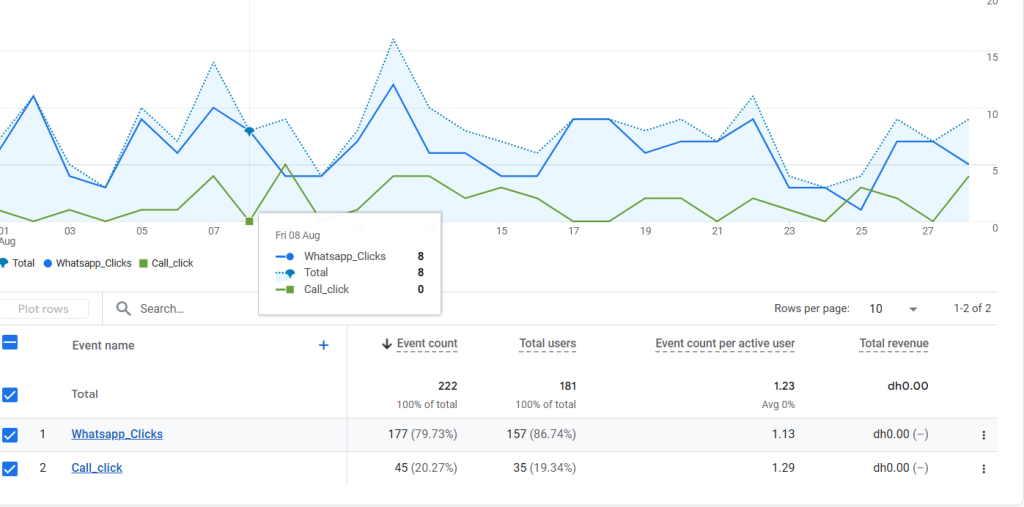
customers. This is where conversion-focused SEO comes in — a strategy designed not only to attract traffic but also to ensure that the right people take action on your website.
What is Conversion-Focused SEO?
Traditional SEO focuses on keywords, backlinks, and rankings. But conversion-focused SEO goes one step further by asking:
- What is the user’s intent behind the keyword?
- What can I show them on the website that convinces them to choose my service?
- How can I remove barriers like price confusion, lack of trust, or missing information?
Instead of just bringing people to your website, the goal is to turn them into leads, customers, or clients.
If you’re new to SEO, check out our guide: What Does SEO Mean?
Example: From Clicks to Clients
Imagine someone searches “Makeup Artist”
A regular SEO strategy would help your website rank for this keyword.
But let’s take it further:
- If the user searches “Affordable Makeup Artist ”, they’re likely looking for pricing.
- With conversion-focused SEO, we create pricing and package pages so they can see options instantly.
- To avoid losing customers who think you’re expensive, you can show:
- Customizable packages
- Seasonal discounts
- Free added services
This way, you’re not just getting traffic — you’re speaking directly to the customer’s need and increasing the chance they’ll book your service.
Learn more about cost and ROI of SEO in our blog: Is SEO Worth It?
How to Build a Conversion-Focused SEO Strategy
1. Keyword Research with Intent
Don’t just target high-volume keywords. Find the ones that show buying intent:
- “best”
- “affordable”
- “near me”
- “packages”
- “hire”
Read: Which Keyword is Best for SEO?
2. Create Conversion Pages
Add pages that support decision-making:
- Pricing & Packages
- Comparison (Why Choose Us)
- Service Pages with Offers
- Testimonials & Case Studies
- FAQ Pages to solve doubts
3. Add Conversion Elements
- Clear CTAs (Book Now, Call, WhatsApp)
- Trust signals (reviews, certifications, case studies)
- Discounts or bonuses (free trial, extra service)
Explore more in our guide: How Do I SEO My Website?
4. Optimize for Mobile & Speed
Most searches today happen on mobile devices.
A fast, easy-to-navigate site increases conversions and prevents bounce.
5. Track Conversions, Not Just Traffic
Use tools like Google Analytics, Search Console, or heatmaps to track what users do after visiting your site.
Optimize based on data, not guesses.
Read: How Do I Test SEO?
Why This Matters in 2025
Search engines are smarter, and so are users. Simply ranking on the first page is not enough anymore.
Your website should:
- Answer the user’s query
- Build trust instantly
- Provide a clear path to action
That’s what conversion-focused SEO is all about — turning searches into sales.
See the latest trends: 2025 Algorithm Update: Audience-Focused Websites
If your current SEO is bringing traffic but not customers, it’s time to shift to a conversion-driven strategy. By aligning keywords with user intent, creating the right conversion pages, and offering what the customer is really looking for, you can transform your website into a lead-generation machine.
To get started, explore:

Shabna Hamza– SEO Expert
Google & HubSpot certified
6+ Years of Proven SEO Results
Master’s degree in Digital Marketing